POD Sustainability Trends 2026: How Creators Can Build Profitable Eco-Friendly Print-on-Demand Brands
How sustainability is reshaping print-on-demand in 2026 — eco materials, local production, transparent supply chains, and how creators can turn it into profit.
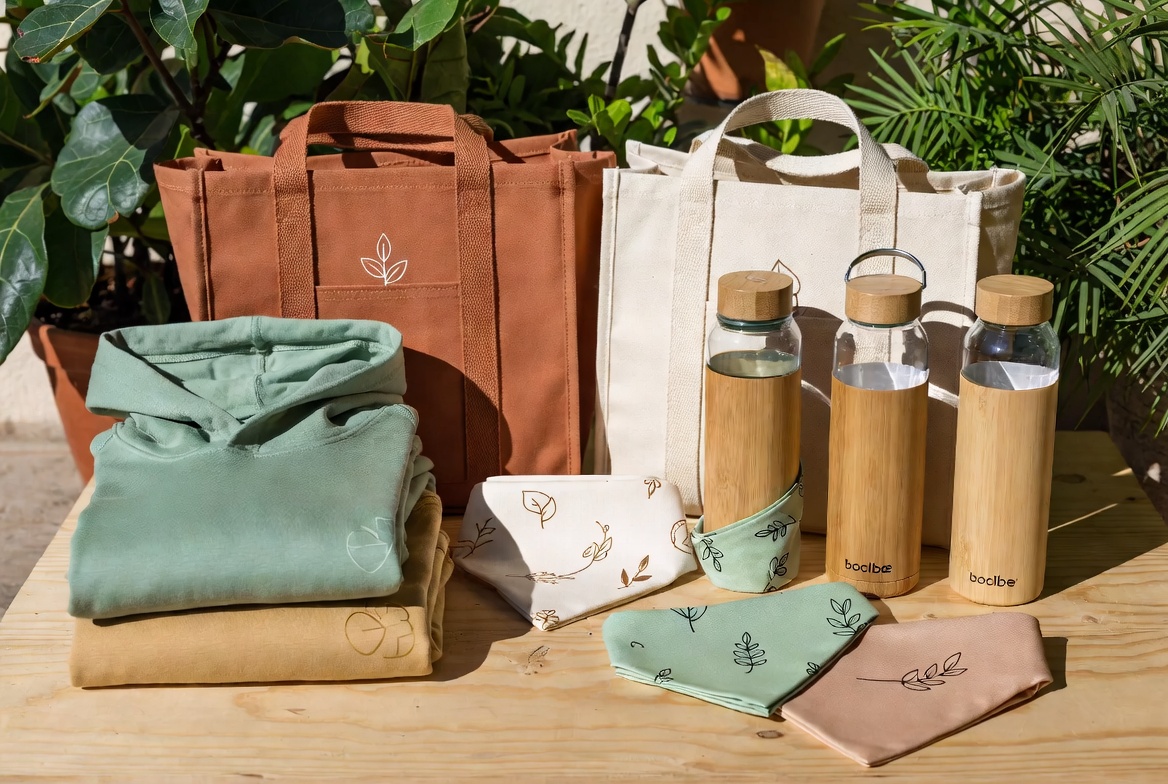
The print-on-demand industry is experiencing a major green shift. In 2026, sustainability is no longer a niche selling point — it’s a core customer expectation. With growing awareness of climate issues, ~80% of Millennials and Gen Z consumers say they are willing to pay more for sustainable products.
The good news? POD’s made-to-order model already eliminates overproduction waste compared to traditional retail. Now, platforms and creators are taking it further with better materials, localised production, and transparent practices.
Why Sustainability Matters for POD Sellers in 2026 #
- Higher perceived value → premium pricing and better profit margins
- Stronger customer loyalty and repeat purchases
- Improved search rankings on Etsy, Shopify, and Amazon (eco-filters)
- Alignment with creator values and personal branding
- Future-proofing against upcoming green regulations
Top Sustainability Trends in Print-on-Demand #
1. Eco-Friendly Materials #
- Organic Cotton (GOTS-certified): The current gold standard. Grown without harmful chemicals or GMOs.
- Recycled Polyester (rPET): Made from post-consumer plastic bottles — excellent for durability and activewear.
- Alternative Fibres: Hemp, bamboo, Tencel (lyocell), and modal.
- Low-Impact Inks: Water-based, soy-based, and OEKO-TEX certified inks.
- Mono-Material Products: Easier to recycle at end-of-life.
2. Localised & On-Demand Production #
Localised printing is one of the biggest 2026 trends. Printing closer to the customer dramatically reduces carbon emissions from shipping.
- Gelato: 130+ production partners in 32+ countries. ~87–90% of orders produced locally.
- Printful: Expanded local hubs with 86% of orders fulfilled regionally.
- Printify: Growing network of eco-certified local printers.
3. Sustainable Packaging & Circular Design #
- Recycled or compostable mailers
- Minimalist, plastic-free packaging
- Clear recycling instructions on products
- Take-back or recycling programs (emerging)
4. Carbon Tracking & Transparency #
Platforms now offer carbon footprint calculators, offsets, and detailed supply chain information to fight greenwashing.
Platform Sustainability Comparison (2026) #
| Platform | Best Eco Features | Organic/Recycled Options | Local Production Strength | Packaging | Best For |
|---|---|---|---|---|---|
| Printful | GOTS, OEKO-TEX, recycled packaging | Excellent | Very Strong | Recycled plastic (NA) | Premium apparel & home goods |
| Gelato | Strong local network, carbon reduction | Good | Excellent | Eco options | International & fast shipping |
| Printify | GOTS, GRS, FSC, wide supplier choice | Very Good | Growing | Eco pushes | Price-conscious creators |
| TPOP | Stanley/Stella partner (top-tier organic) | Excellent | Europe-focused | Sustainable | High-end European market |
Practical Tips for POD Creators #
How to Get Started #
- Filter products by sustainability on your POD platform.
- Start with bestsellers: Organic cotton tees, hoodies, tote bags, and posters.
- Price strategically — sustainable products usually support 20–40% higher pricing.
- Be transparent — clearly display certifications (GOTS, OEKO-TEX, etc.).
- Use AI for eco-themed designs — nature-inspired, minimalist, regenerative agriculture, ocean conservation, etc.
AI Prompt Examples for Sustainable Designs #
"Minimalist line art of growing plants and roots forming a heart, earth tones, sustainable fashion style, flat vector illustration, transparent background"

"Hand-drawn botanical illustration of native wildflowers and pollinators, muted sage and ochre palette, organic cotton tee print, transparent background"

"Geometric mountain range with reforestation message, two-tone forest green and cream, screen-print style, vector, transparent background"

"Vintage-style ocean wave with sea turtle, rough-edge linework, navy and sandstone palette, designed for recycled-polyester rash guard, transparent background"
Treat the first five generations as calibration runs, then iterate on the prompt that lands closest to your brand voice. Pair every winning design with a short backstory in the listing — sustainable buyers respond strongly to provenance.
Certifications Worth Knowing #
A short glossary so you can read product specs (and listings) with confidence:
- GOTS — Global Organic Textile Standard. Covers organic fibre content plus social and environmental criteria across the supply chain.
- OEKO-TEX Standard 100 — Tests finished textiles for harmful substances.
- GRS — Global Recycled Standard. Verifies recycled content (e.g. rPET) and chain of custody.
- FSC — Forest Stewardship Council. Responsibly sourced paper and wood products (posters, packaging, wall art).
- Fair Wear / Fair Trade — Worker welfare and fair labour conditions.
Display the certifications your products actually carry — never invent or imply ones the supplier hasn’t verified.
Final Thoughts #
Sustainability in 2026 is no longer a marketing layer you bolt on at checkout — it’s the product itself, the supplier you choose, the materials in the shipment, and the story on your listing page. Creators who treat it as a core operating principle are seeing higher AOV, better repeat-purchase rates, and a clearer brand position than competitors still selling generic standard cotton.
Start small. Audit your top three products, swap in organic or recycled equivalents where your supplier offers them, update your listings with the relevant certifications, and lean on local production wherever it shortens your shipping route. Iterate from there.
Related Reading: